Morag’s Story: Caring for Her Mum with Dementia
“You don’t have to do it alone”: how peer support and small moments of recognition keep Morag going
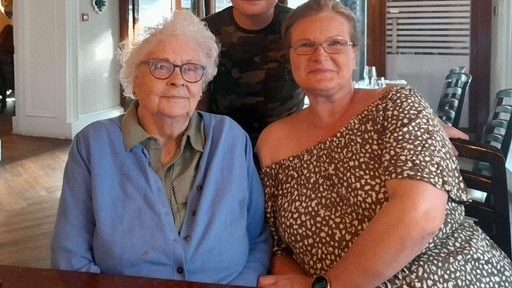
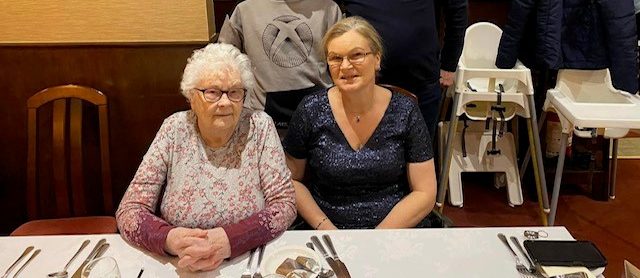
This is Morag, who cares for her mother, Molly, who lives with dementia and has difficulties with her mobility. CTC first visited Morag in September 2026 to provide moving and handling training to support her in caring for her mum. This is her story.
Morag has been caring for her mother for around six years, although it was only four years ago that she began to identify herself as an Unpaid Carer.
A typical day can look different for Morag depending on what her mum needs. She visits every morning for a cuppa and to check how she is doing. Her caring responsibilities can include shopping, cleaning, washing, toileting, changing the bed, liaising with social work and care providers, and accompanying her mum to GP and hospital appointments. While her brother, husband and son help occasionally, Morag carries out the majority of the caring responsibilities.
Finding her way into caring
Morag says she was both prepared and unprepared for becoming an Unpaid Carer. She had gradually noticed changes in her mother’s condition and knew that many of the responsibilities would likely fall to her.
She remembers noticing small but significant changes, such as her mum calling her grandson by her son’s name or asking her late husband when he was coming home. These moments helped Morag realise that her mum’s condition was changing, and that her role would change with it.
One of the most difficult parts of Morag’s journey has been talking to friends and family who have not experienced caring for someone themselves. She explains that, when people have not been through a similar situation, it can sometimes feel as though there is a “silent nod” because they do not fully understand what she is going through or know how to respond.
This is why connecting with other Unpaid Carers has been so important to Morag. Through peer support groups at the Carers Centre and other groups, she has met people who understand the realities of caring and has been able to connect with others on their own caring journeys, as well as people with valuable knowledge and experience.
“You’re doing a great job”
Morag describes being an Unpaid Carer as a “thankless task”. She feels that families can sometimes be expected to take on caring responsibilities without fully understanding the impact this can have on their own lives.
For Morag, small gestures of recognition can make a huge difference.
A simple “you’re doing a great job” or a reassuring hug can go a long way in reminding an Unpaid Carer that what they are doing matters.
Throughout her caring journey, Morag has experienced tiredness and burnout, which is why she is such a strong advocate for carers making time for themselves and their families.
“Being an Unpaid Carer is a full-time job, but you have to make time for yourself and your family too. If you’re running on empty, how can you care for someone else?”
Making memories together
One of Morag’s favourite things to do with her mum is visit Blumen Flowers and Coffee. She loves seeing her mum come to life when they are there and watching her interact with the people around her.
Days like this make a real difference. Her mum can enjoy the car journey, take in the scenery, meet people and, of course, enjoy a slice of cake which Morag says is “to die for!”
For Morag, these moments are about more than simply going out. They are opportunities to spend quality time together and create positive memories.
The support that made a difference
Morag initially discovered CTC through the Carers Centre, which has been a huge source of support throughout her caring journey.
The Carers Centre has provided recommendations for services, activities and funding that have helped Morag not only support her mum but also look after herself. Most importantly, it has helped her connect with other Unpaid Carers.
Through these connections, Morag has even met a new lifelong friend, someone who understands what she is going through because they are living a similar experience themselves.
You don’t have to do it alone
Looking ahead, Morag wants other people to know that being an Unpaid Carer can be incredibly worthwhile, but it is important to recognise that caring can be a long-term commitment.
Her biggest message is that carers do not have to do it alone.
“There are so many people and services you can reach out to that can and will assist you. At first, you may think you can do it all on your own, but eventually you will burn out. That’s why it’s important to reach out as soon as possible and accept the assistance that is available to you.”
Morag also hopes to see greater recognition and credit given to the vital role Unpaid Carers play in society. The sacrifices carers make to their working lives, personal lives and social lives can be immense, yet their contribution is often overlooked.
As of June 2026, Unpaid Carers were estimated to save the Scottish Government £18.6 billion, highlighting the significant contribution they make to both society and the economy.
Morag’s story is a reminder that caring is not something that should be taken for granted. Behind every Unpaid Carer is a person with their own life, responsibilities, relationships and needs and sometimes, the smallest words of recognition and support can make the biggest difference.